☆☆Articles ☆☆
In order to communicate effectively in Spanish, it is very important to know the articles, since they are the foundation of the language.
The articles precede the noun indicating their grammatical gender (masculine, feminine) and gramatical number (singular, plural).
Grammatical system is not necessarily connected with biological sex or gender
While in English, "the" or "a/an" are generally used; In Spanish, the articles are divided into two:
Artículos definidos
The
| SINGULAR | PLURAL | |
|---|---|---|
| FEMENINO | La | Las |
| MASCULINO | El | Los |
Artículos indefinidos
A/An
| SINGULAR | PLURAL | |
|---|---|---|
| FEMENINO | Una | Unas |
| MASCULINO | Un | Unos |
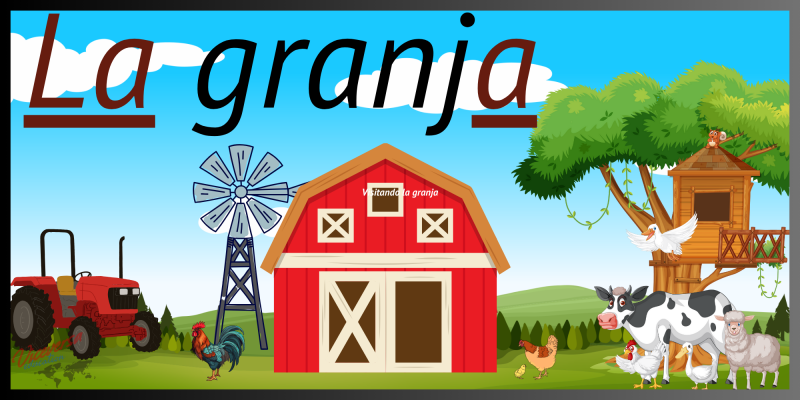
Visitando la granja
La granja es muy grande
En la granja hay unas vacas
Los caballos corren por el campo
El granjero alimenta a los animales
Las manzanas son muy dulces
La carreta perdió una rueda
En la granja hay un pozo y un lago
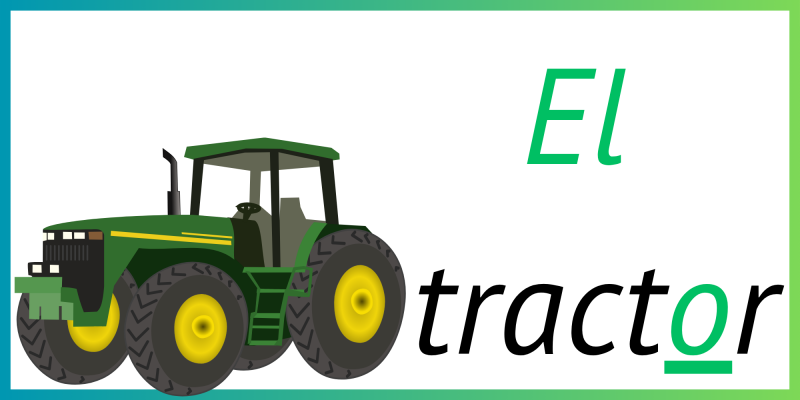
El granjero siembra unas semillas con el tractor
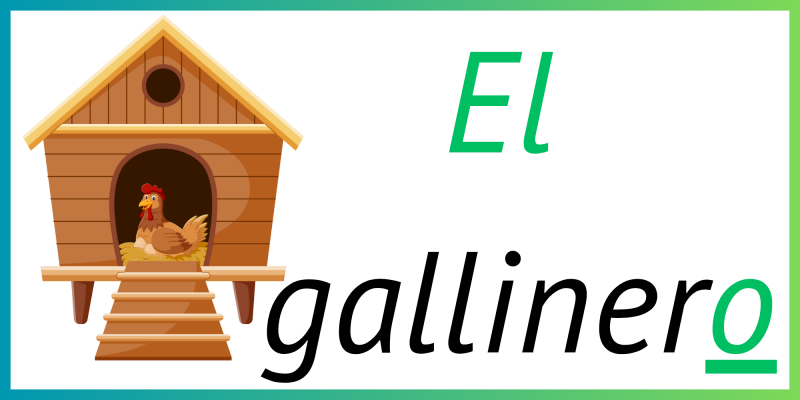
Las gallinas están en el gallinero
En la canasta hay unas frutas

☆EL☆
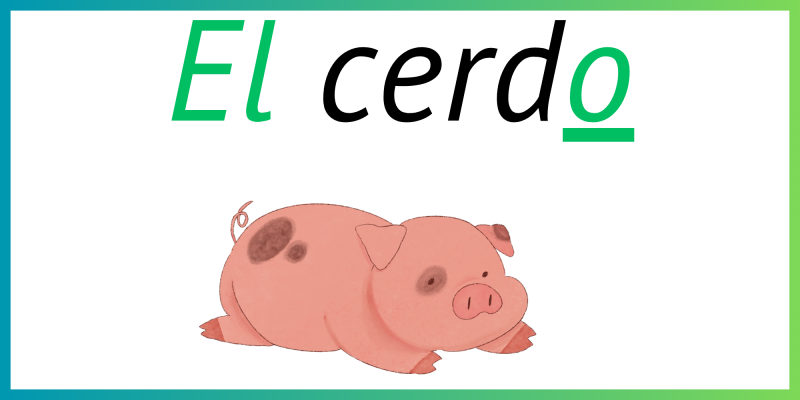
The article "EL" is used when referring to a singular masculine element.


☆LA☆
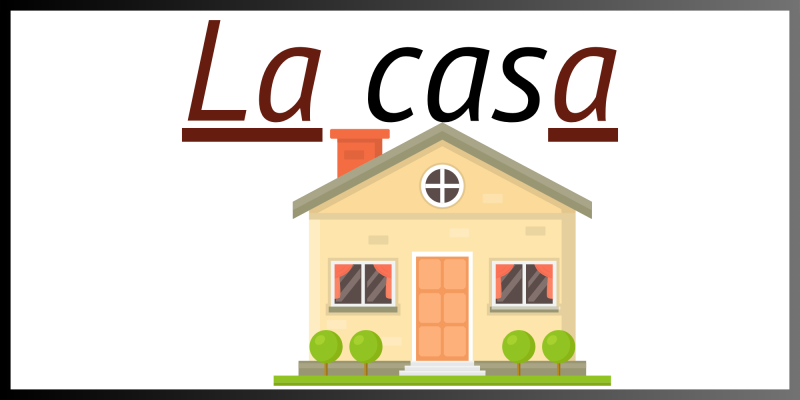
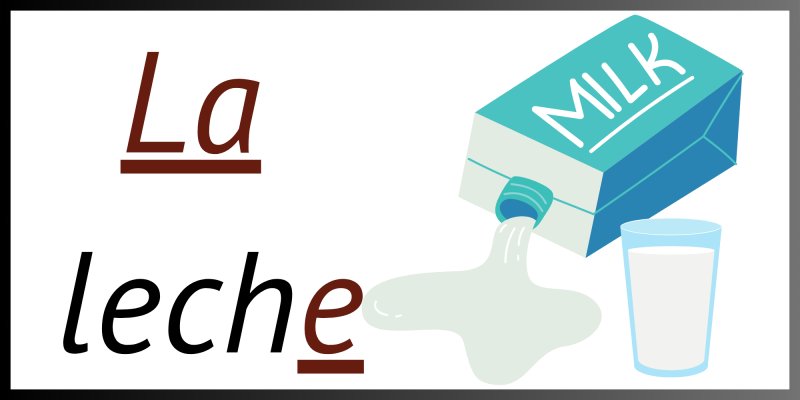
The article "LA" is used when referring to a singular feminine element.


☆LOS☆
The article "LOS" is used when referring to (more than one) plural masculine elements.

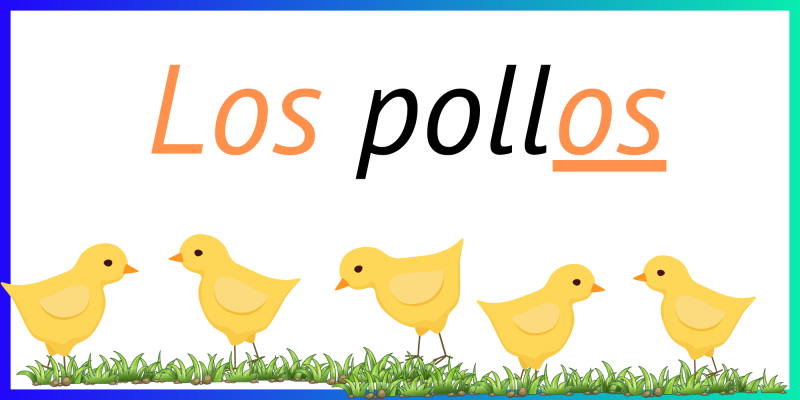
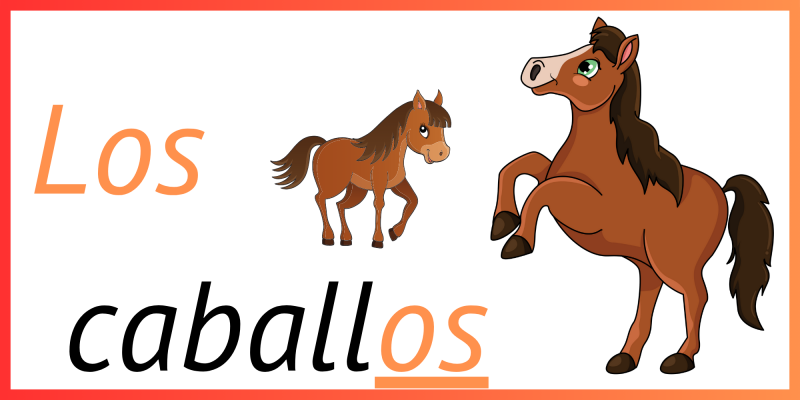


Grammatically, the article "LOS" is used when referring to a group of mixed elements (masculine and feminine).
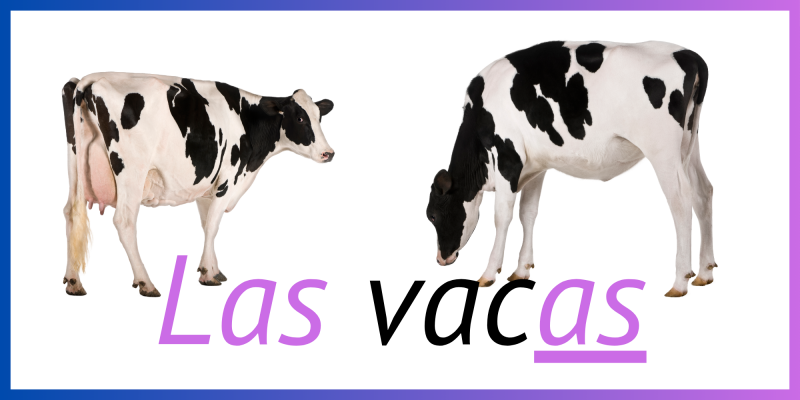
☆LAS☆
The article "LAS" is used when referring to (more than one) plural feminine elements.



☆UN☆
The article "UN" is used when referring to a singular masculine element.





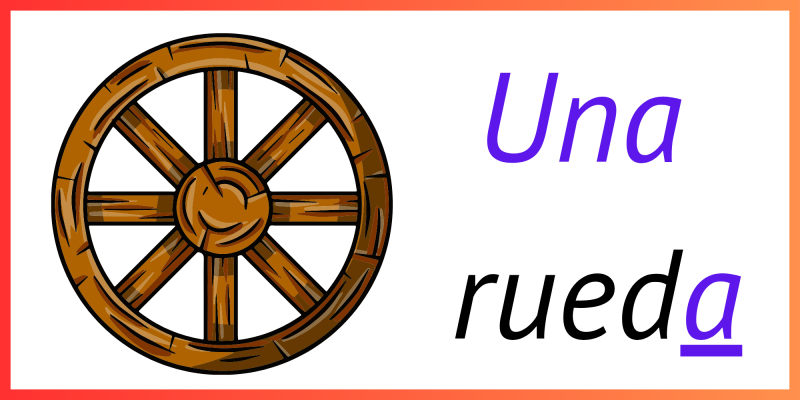
☆UNA☆
The article "UNA" is used when referring to a singular feminine element.




☆UNOS☆
The article "UNOS" is used when referring to (more than one) plural masculine elements.





The article "UNOS" is grammatically correct when referring to a group of both masculine and feminine elements, similar to "los".
☆UNAS☆
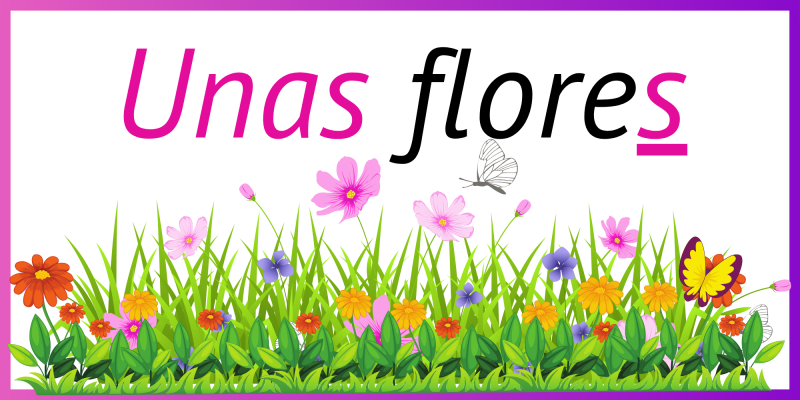
The article "UNAS" is used when referring to (more than one) plural feminine elements.